Market Notes
Wholesale Homeware from China: What Retailers Should Know
What a sourcing partner actually does, how to read a China homeware supplier before you order, and the four points where first orders go wrong.
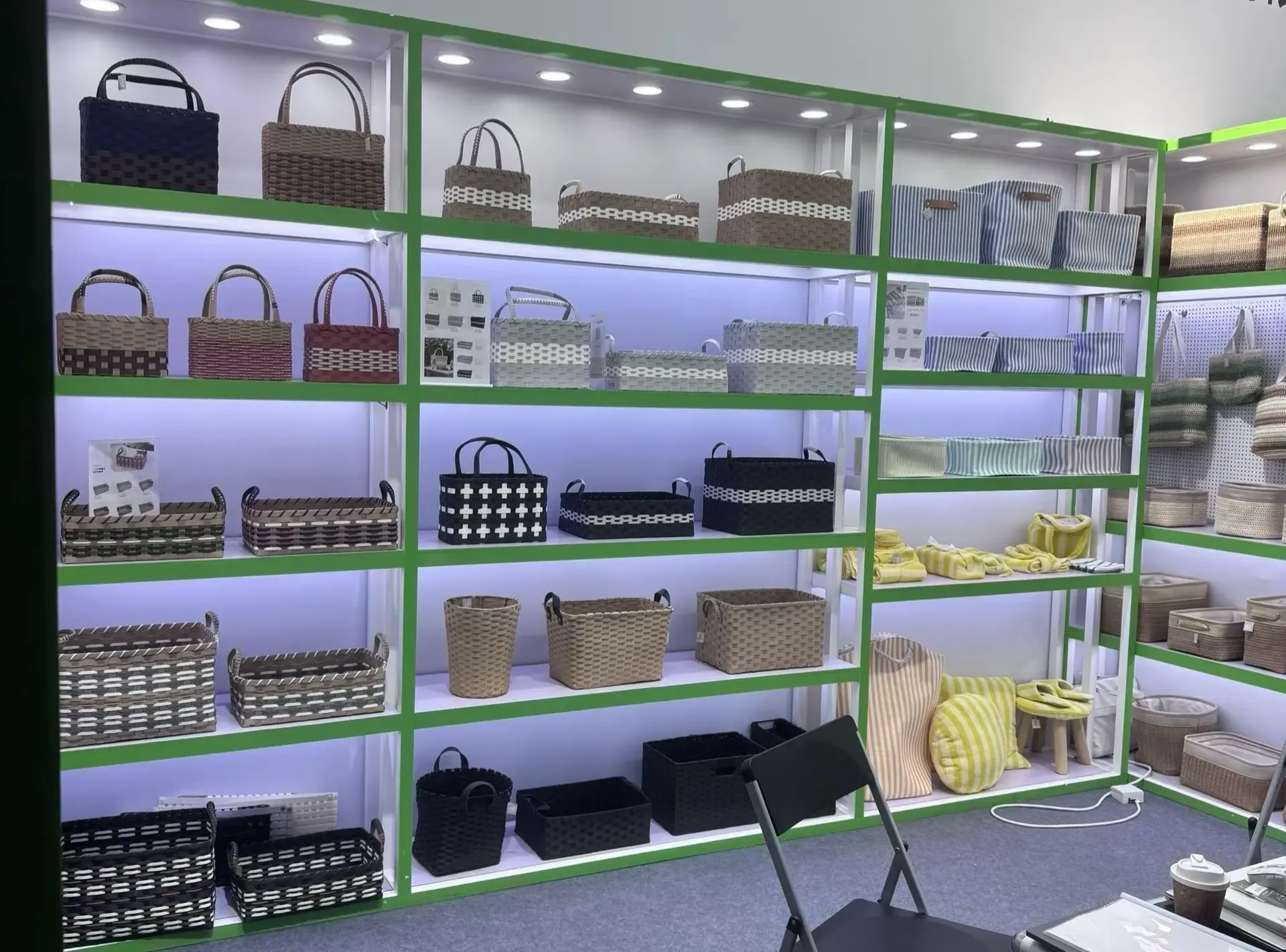
China is where a large share of the world's storage baskets, laundry hampers and home organisation products are made. That part is not in question.
What decides whether an order works is not the country. It is who you buy through and how the order is set up. This page covers what a sourcing partner does that a factory or a trading listing does not, how to read a supplier before you commit, and where first orders usually go wrong.
What a Sourcing Partner Does
There are three ways to buy homeware from China, and they are not the same job.
Buying from a listing. Fast, cheap to start, and you get what is in the photo. No specification control, no sampling, no inspection. Fine for a filler product, risky for a range you intend to build.
Buying direct from a factory. Good when you know exactly what you want and the quantity justifies it. The trade-off is that you manage materials, packaging, inspection and export documents yourself, and most factories run one material family well and others less well.
Buying through a sourcing partner. We sit in the third group. We are not a factory. We work across materials and product families, quote and sample to your brief, run the inspection before shipment, and handle the export side.
The practical difference shows up in two places. You get one contact instead of five, and your minimum quantity is set by what can be built, not by one production line's changeover cost.
If you already source with a fixed specification and high volume, direct buying can be the better fit. A partner is worth it when you are building a range, working across materials, or starting at a smaller quantity.
What China Still Does Well
Not a general claim about the country. These are the specific things that keep homeware sourcing in this region.
Material range in one place. Cotton rope, paper rope, seagrass, bamboo, felt, canvas and blends are all made and traded close together. That makes a mixed material range realistic, which it is not in most sourcing regions.
Small-batch flexibility. 100 pieces per colour per design is a workable minimum here. That is what allows a retailer to test a design before committing.
Woven construction skill. Shape, structure and finish in woven and stitched homeware are mature. It shows up in how a basket holds its base after a year of use.
Export infrastructure. Documents, consolidation, forwarders and container planning are routine. The systems exist, which is why smaller orders can still be combined and shipped.
Speed on samples. 7 to 10 days after design confirmation is normal. Speed on samples is what makes the design process usable.
We are based in Binzhou, Shandong, which is inside the woven homeware cluster. That is why we can hold this kind of range at these quantities.
How to Read a Supplier Before You Order
Six things to check, in order of how much they predict about the order.
1. Do they ask you questions? A supplier who quotes without asking about material, quantity per colour, market and packaging has quoted a guess. Good questions are the cheapest quality signal available.
2. Can they say no? Ask for something that cannot be built at your price. A supplier who agrees to everything either misunderstood the brief or plans to correct it later.
3. Do they tell you the sample lead time up front? 7 to 10 days is a normal answer. Vague answers usually mean the sample is not under their control.
4. What happens before shipment? The answer you want is an inspection against the approved sample, with a photo report. Not "we check everything". An inspection you can see the output of.
5. Which materials do they actually handle? A supplier who works in twelve materials will tell you which four they do best. A supplier who claims all of them equally has not thought about it.
6. How do they quote a change? Ask what a colour change costs after the sample is approved. The answer tells you how the whole project will go.
None of these require an audit. They are all answerable in one conversation, and together they predict more than a factory visit.
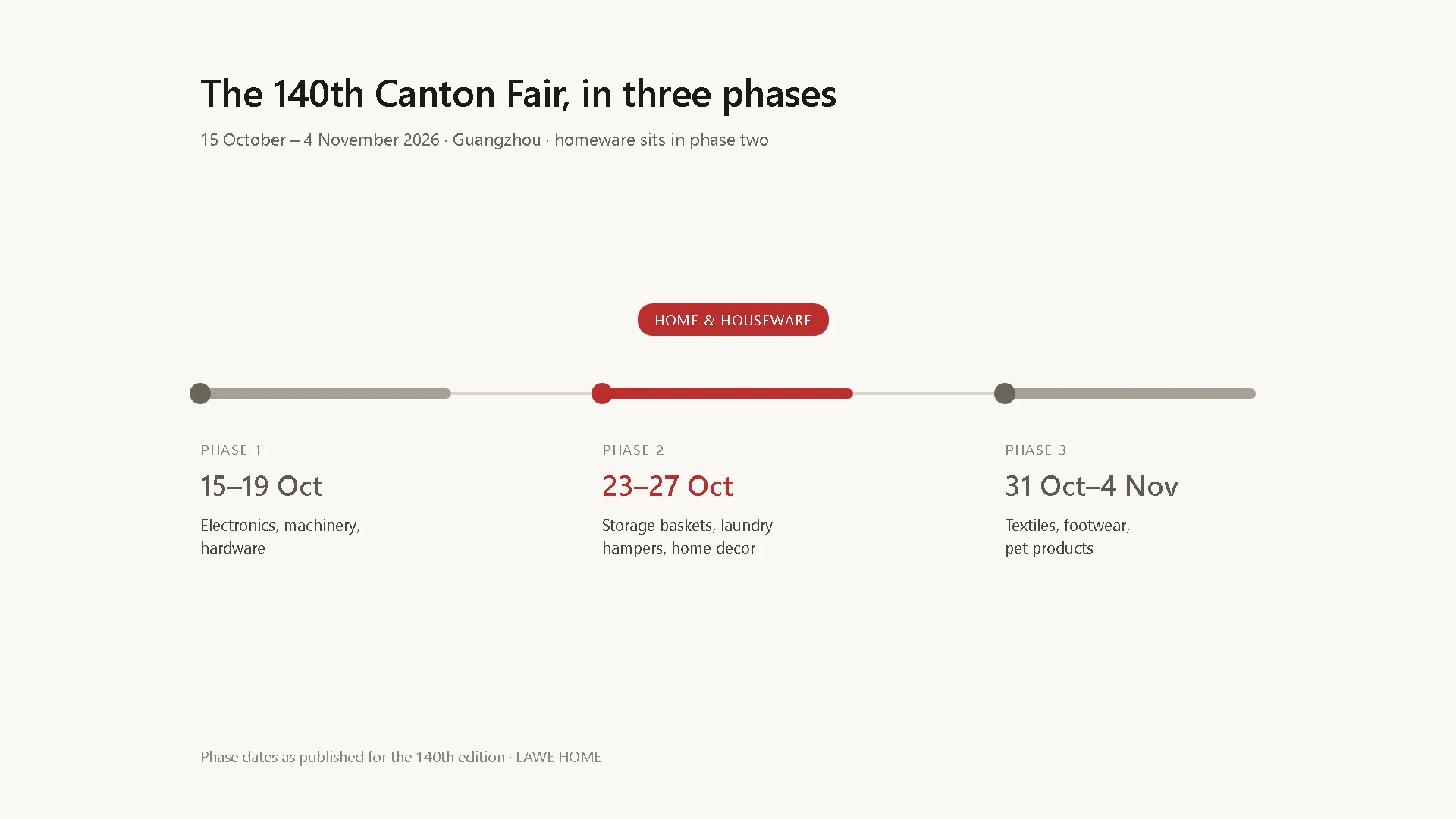
If you are shortlisting suppliers at a trade show, our Canton Fair guide for homeware buyers covers the questions buyers bring and how to work the halls in two days.
Mixed Orders and Smaller First Runs
Most new ranges start smaller than the buyer originally planned. Two decisions make that work.
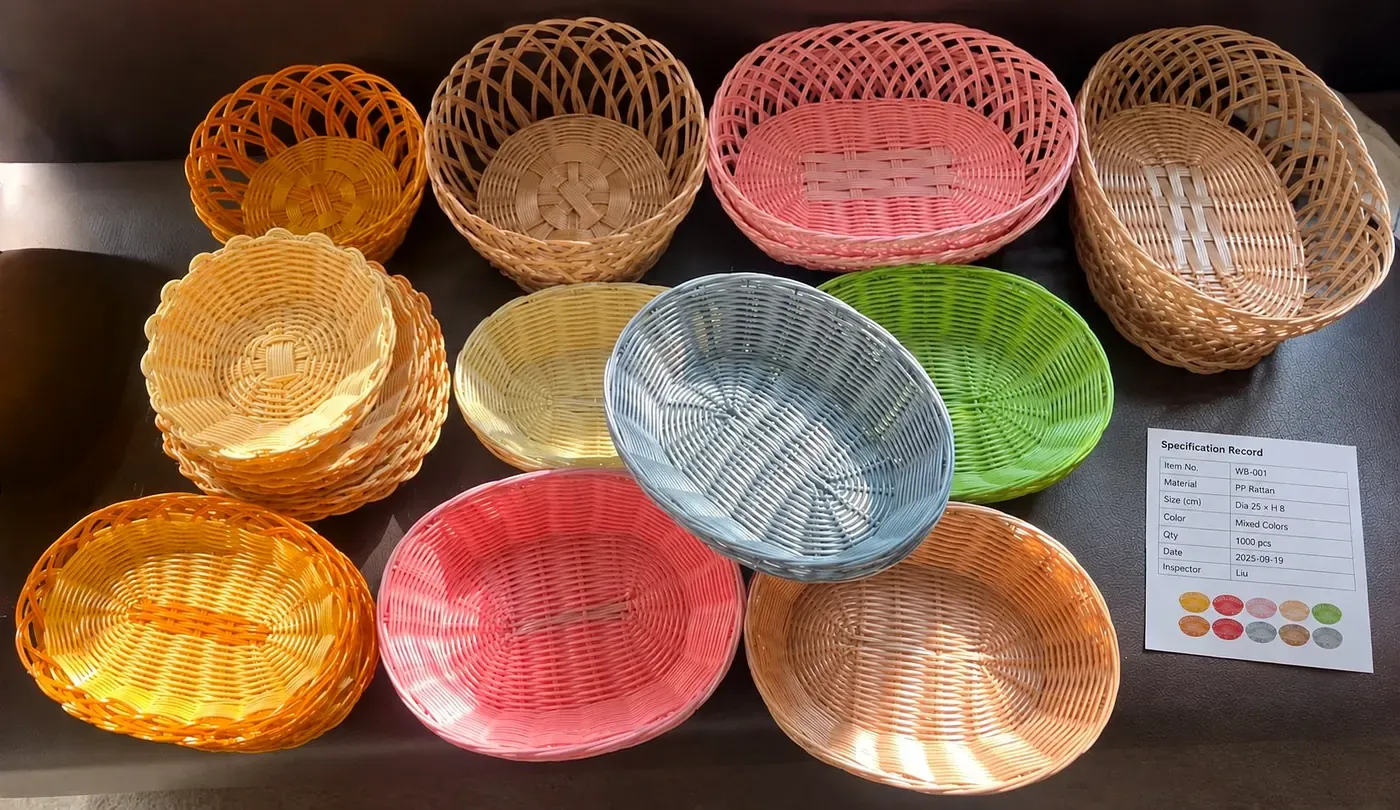
Fewer colours, more pieces each. Colour count, not total quantity, is what splits an order into separate production runs. Two colours at 100 pieces is one order. Six colours at 100 pieces is closer to six.
Mix materials deliberately, not randomly. Combining a seagrass basket with a felt basket in one order is possible, but each material has its own setup. Keep a first order inside one or two material families, then widen.
For freight, smaller orders are the harder case, because a small volume pays a worse rate than a full container. Consolidating goods with other shipments is one way to improve that, and it is worth asking about before the goods are ready rather than after.
Where First Orders Go Wrong
Four causes, in order of frequency.
1. Brief with no target price. Without a number, the supplier builds to the specification and the price comes back too high. With a number, you get options. This is the single most common first-order problem.
2. Packaging decided last. Cartons have their own minimum and lead time. Decided late, they become the constraint on the whole order.
3. Specification changed after sampling. The sample defines bulk. Change it afterwards and part of the process restarts, at your cost.
4. Only one supplier conversation. Getting three quotes sounds like work. Getting one quote and hoping is how buyers end up with no fallback when the first supplier cannot hold the timeline.
One pattern sits under all four. They are sequencing problems, not production problems, and all four are decided before anything is made.
Building a Collection Over Time
A homeware range is not one order. It is a sequence of them, and the second order is where the relationship matters.
A partner should carry the specification forward. Sizes, materials and colours agreed on the first order should not need re-deciding on the second.
Repeat orders should get easier, not harder. If the second order asks the same questions as the first, nothing was recorded.
Expansion should come from the range, not from a new supplier. Adding a laundry hamper to a storage basket range is a shorter project than starting again elsewhere.
This is the part a low unit price does not cover. A supplier who is 3% cheaper and needs the specification re-explained every time is not cheaper by the second order.
FAQ
Do you have a factory?
No, and we do not describe ourselves as one. We are a sourcing and export partner. We develop the product with you, place it with production, inspect it before shipment and handle the export side. In more than ten years of exporting homeware, that has been the model.
What is your minimum order?
100 pieces per colour, per design, across two to four colours in one order.
Can you handle a mixed container?
Yes. Mixed orders across products and materials are normal, and consolidation is part of what we do.
How fast can you quote?
Within 24 hours of receiving your brief, including feasibility. If part of the brief will not work at your price, we say so in that reply.
Are you able to arrange the shipping?
Yes, we handle the export side and the documents, and we can consolidate smaller volumes to improve the freight rate.
Related products
Sourcing a homeware range from China? Send the collection you have in mind, the market and a target price. We reply within 24 hours with feasibility and an indicative quotation. → contact us · Or see all our collections.
Buying terms, timelines and documents are covered on our FAQ page. For the material side of a range, start with our 12 core materials.