
Working With Us
Low MOQ Homeware Sourcing: A Smarter Way to Start
What a low MOQ really means in homeware: 100 pieces per colour, how a first order runs, and the four costs that make small orders expensive.
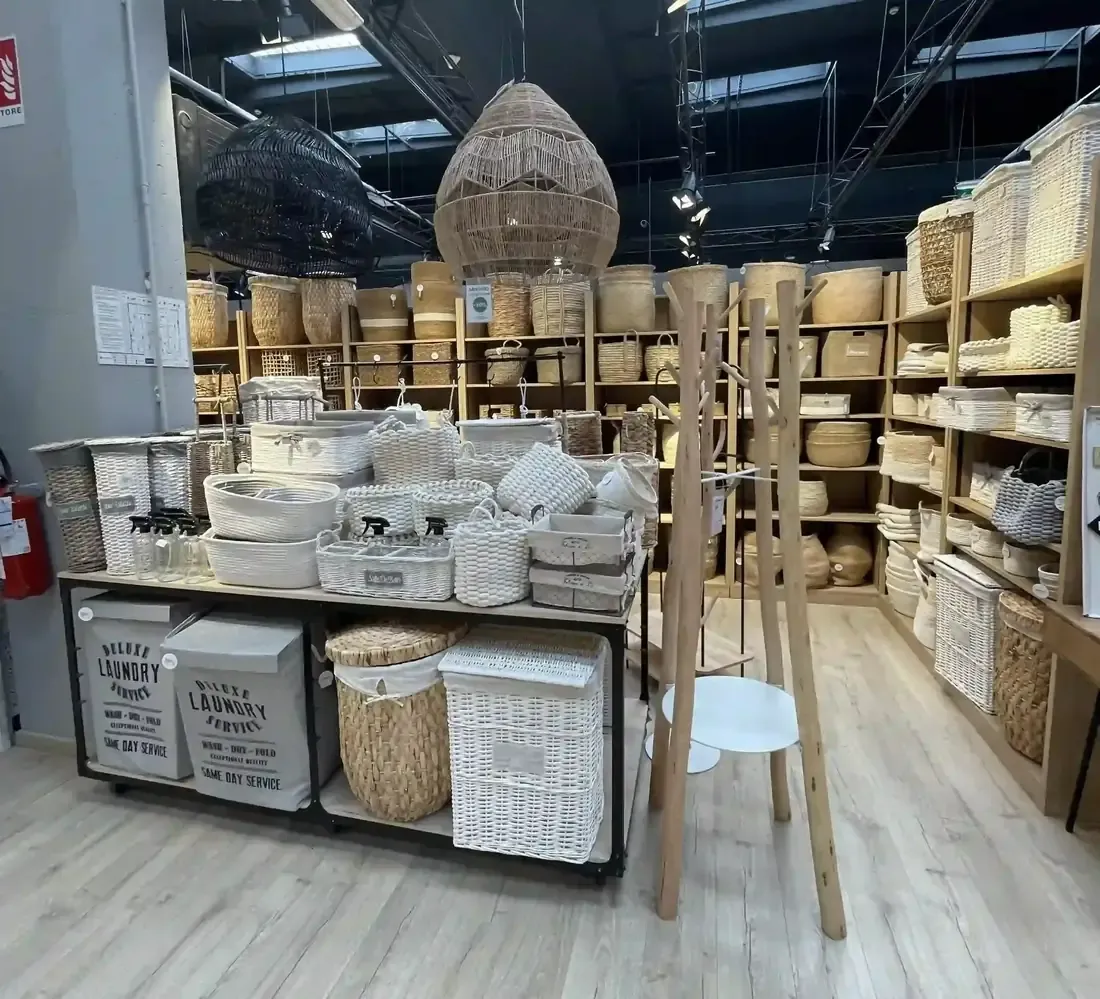
A low MOQ is how most collections get started. At LAWE HOME it means 100 pieces per colour, per design. Not 100 pieces of one product. 100 pieces of a colour.
That number decides what a first order can look like. This page covers what it includes, what it does not, and the four places a small order quietly gets expensive.
What a Low MOQ Actually Means
MOQ is a per-unit-count question, not a per-order question. The number that matters is how few pieces you can order of one design in one colour.
Here is how we work:
| Standard |
Minimum per colour, per design | 100 pieces |
Colours in one order | 2 to 4 |
Mixed designs per order | Yes, within the same material family |
Sampling time | 7 to 10 days after design confirmation |
Quotation turnaround | Within 24 hours of receiving your brief |
Read that table together, not line by line. 100 pieces across two colours is 200 pieces in one order. Two designs in two colours is 400. That is a test run, not a container.
Why the First Order Should Be Small
The argument for a small first order is not the unit price. It is what you learn before you commit capital.
You find out how it sells. A storage basket that photographs well does not always sell well. Selling 200 pieces in your actual market tells you more than any trend report.
You protect cash flow. Money sitting in inventory is money not spent on the second design. A small first order keeps the collection moving.
You test the pairing. Buyers often guess wrong about which colour and size sell together. A small mixed order answers that with real sales data.
You find the problems early. Slight size drift, a seam that rubs, a carton that is 2 cm too deep. Cheaper to find on 200 pieces than on 5,000.
Small orders are not for everyone. If you already know the product sells, order up and take the better unit cost. Low MOQ matters most when you are still finding out.
What to Check Beyond the MOQ Number
A supplier can quote a low MOQ and still be hard to work with. Four things decide whether the number is useful.
Material availability. Cotton rope, paper rope, seagrass, bamboo and felt do not all run in the same small batches. Ask which materials your supplier can hold at your MOQ without a surcharge.
Sample lead time. A low MOQ does not help if the sample takes six weeks. Ours runs 7 to 10 days after the design is confirmed.
Colour consistency across small lots. This is the real risk. A dye lot of 100 pieces and a dye lot of 2,000 pieces are not the same problem, and a supplier who only runs large batches may not have the process for it.
Carton minimums. Packaging has its own minimum. A carton printer may want 500 units before your per-piece price makes sense, which can push a 200-piece order into expensive packaging.
Ask about all four before you send a brief. The MOQ is the easiest number to quote and the least useful one on its own.
How a Small First Order Runs
This is the actual sequence, start to finish.
1. You send the brief. Product, size, material, colour, quantity per colour, target market, target price. A photo or a sketch is fine at this stage.
2. We reply within 24 hours. Feasibility and an indicative price. If something in the brief will not work at your quantity, this is where we say so.
3. You pick the direction. One or two options, with the trade-offs written out. Material and construction decisions happen here, before any sampling cost.
4. Sampling. 7 to 10 days after you confirm the design. You check size, material, colour and construction against a physical sample, not a screen.
5. Confirmation and bulk. You approve the sample. Bulk follows the approved sample, not the original sketch. This is why the sample stage is worth the time.
6. Inspection before shipment. Every shipment is inspected before it leaves, and you receive a photo report. Not a sample of cartons. The shipment.
7. Shipment. We handle the export side and the documents. For small orders, we can combine your goods with other shipments to improve the freight rate.
Need to see a sample before deciding? Start a custom project and we will come back with feasibility and price inside 24 hours. Sampling runs 7 to 10 days after that.
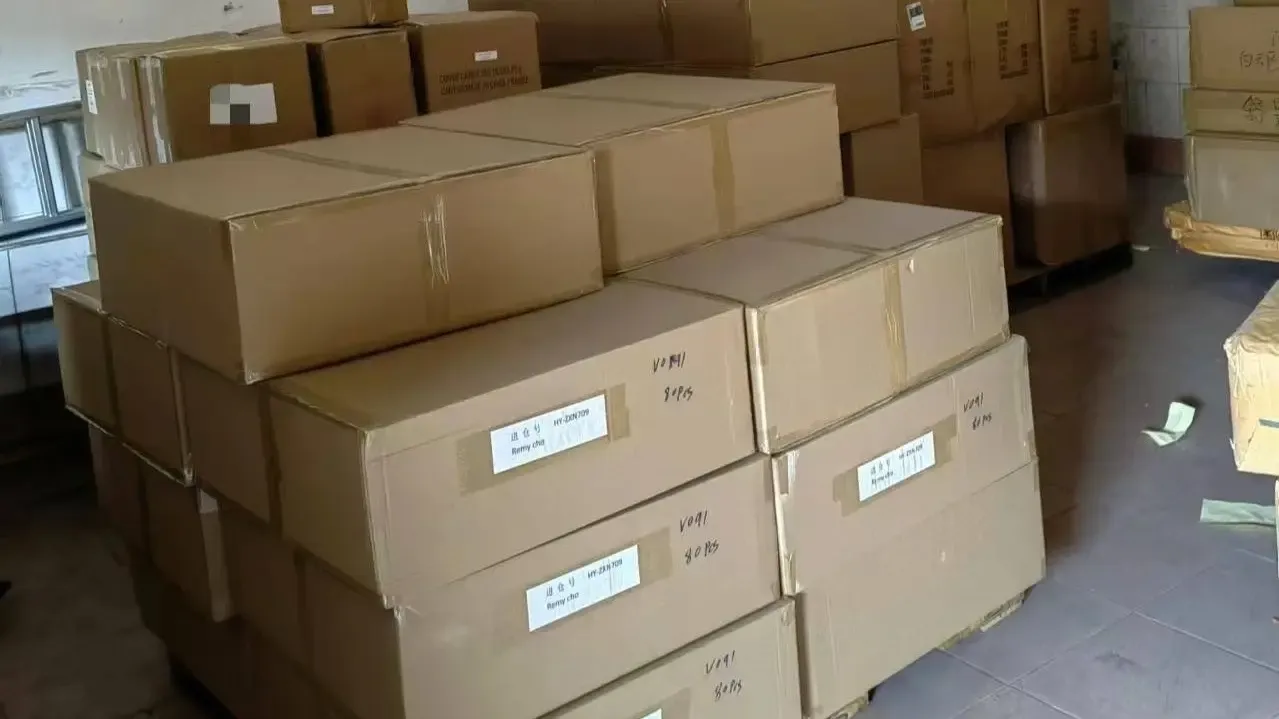
Four Places Small Orders Get Expensive
A low MOQ lowers your commitment, not your risk. These are the four costs buyers miss.
1. Packaging minimums. Covered above. A 300-piece carton run for a 200-piece order is where the money goes.
2. Colour splitting. Two colours at 100 pieces each is one order. Four colours at 100 pieces each can be four small production runs, and that shows up in the unit price.
3. Changes after sampling. Every change after the sample is approved restarts part of the process. Decide the specification before sampling, not after.
4. Air in the carton. A small order still ships in a carton. If that carton is oversized, you pay for the space on a smaller volume of goods, which hurts more per unit. Flat-packing and tighter cartons matter more on small orders, not less.
The pattern is simple. Cost comes from how many separate things you ask a supplier to set up, not from the total number of pieces.
FAQ
What is your minimum order quantity?
100 pieces per colour, per design. Two to four colours can be combined in one order.
Can I mix products in one order?
Yes, within the same material family. Mixing a seagrass basket with a felt basket in the same small order is possible, but expect a longer setup and a slightly higher unit cost.
How long does the first order take?
Sampling is 7 to 10 days after design confirmation. Bulk production depends on the product and the quantity. We give you the full timeline with the quotation, so you can plan around it.
Do you charge for samples?
Sample costs depend on the product. We tell you the cost before we start, and we do not start until you approve it.
Does a low MOQ mean lower quality?
No. It changes the batch size, not the specification. The sample you approve defines what bulk is built to, and every shipment is checked against that sample before it leaves.
Is a low MOQ more expensive per piece?
Usually, yes, and it should be. Small runs carry the same setup across fewer units. The comparison that matters is not price per piece against a large order. It is price per piece against the cost of sitting on inventory you cannot sell.
Can you handle the packaging too?
Yes. We can specify the carton with the product, which avoids the situation where the carton never suited the basket in the first place. The regulatory side of packaging is covered in our PPWR checklist for buyers.
Related products
Have a first order in mind? Send the product, quantity and target price. We reply within 24 hours with feasibility and an indicative quotation. → contact us · Or browse our collections first.